
Spacetalk sold a watch to one child, then lost the family when the kid turned 12. In 15 months, with 2 designers and AI in every step, we turned it into safety for the whole household: from a child's first watch to grandma's 24/7 care.
−90%
Pairing support contacts
−80%
SIM activation support contacts
+42%
Family invites on onboarding
5 min
To pair a watch, down from 1h+
01 · The problem
01
Kids outgrew the watch, wanted a phone or an Apple Watch, and the family left with them. Households owned less than 1 product.
02
Parents needed 5.4 attempts and over an hour to pair a watch. Pairing and SIM activation drove up to 1,000 support messages a day, returns and public complaints.
03
“Spaces” and “managed members”. Parents asked “What is a Space?” and never invited the rest of the family.
02 · The reframe I led
It was Lucy, 46: the sandwich-generation parent who worries about her kids and her mum at the same time.
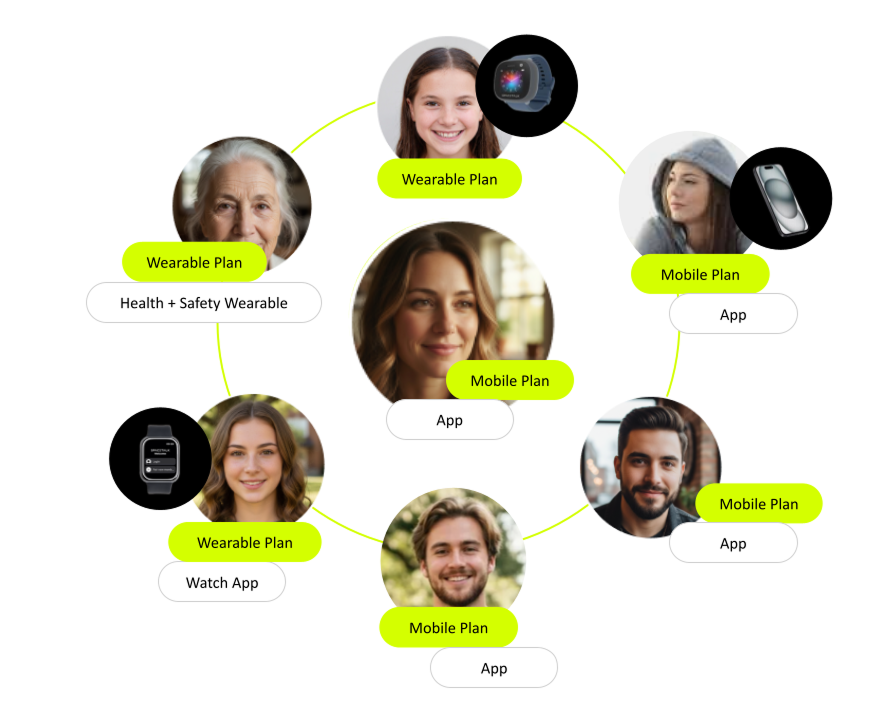
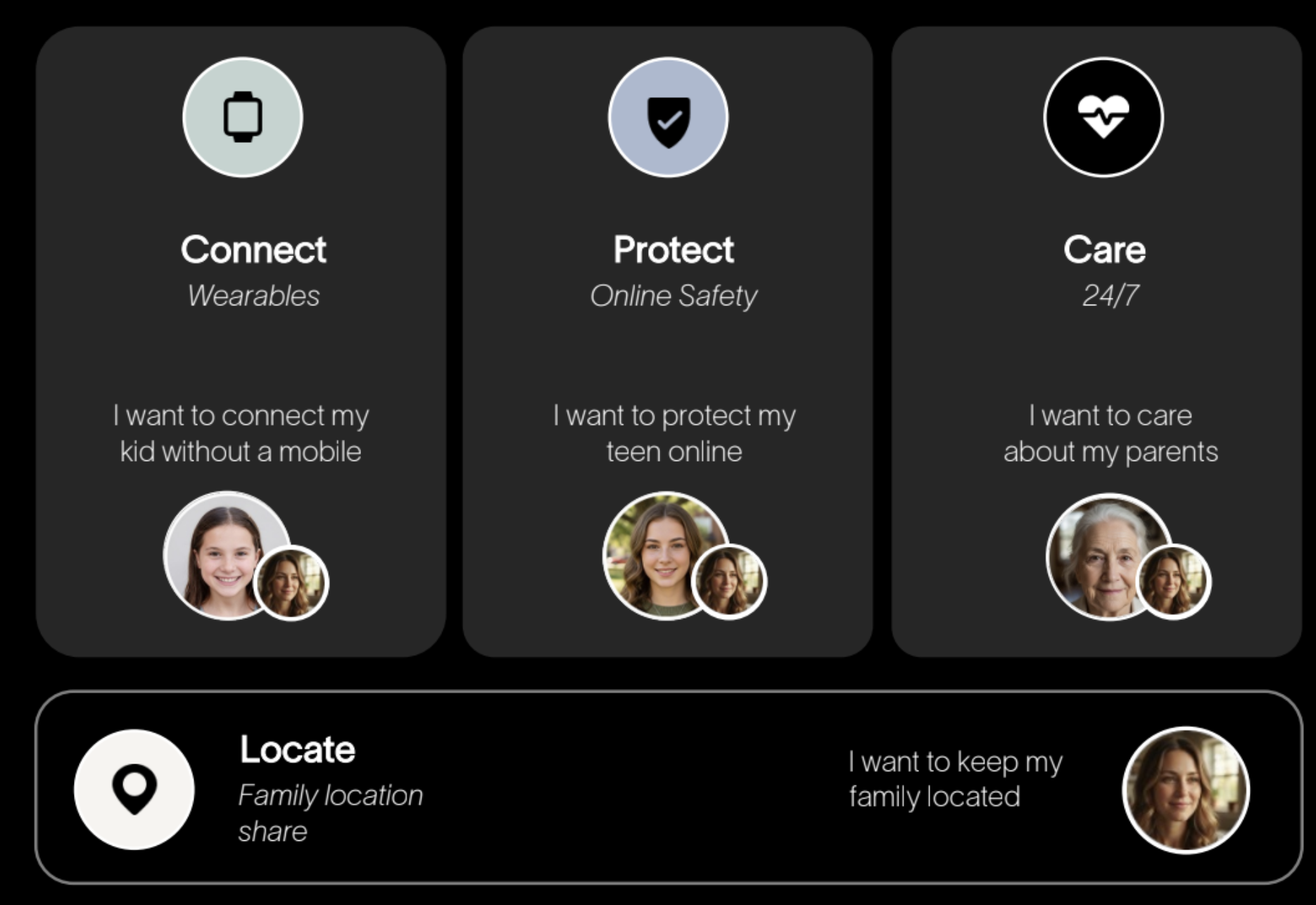
Every competitor serves one of Lucy's worries. Nobody serves her whole household. So I changed the unit of design from a device to a household, with four ways that offer a value proposition for each family member.
Life-stage personas became the shared language for strategy, onboarding and the roadmap
03 · The scorecard
I co-created the company's family of metrics with Product and the executive team. It grows two things, active households and the value of each household, through four stages: activation, engagement, commercial growth and retention.
Every design project starts there: which metric is broken, what design can change to move it, and how we will know.
Pairing and set up success, time to first use
Core actions per week per household
Household and product retention
Members and products per household
North star: more of the family protected, with more products per household
Project 01 · Activation
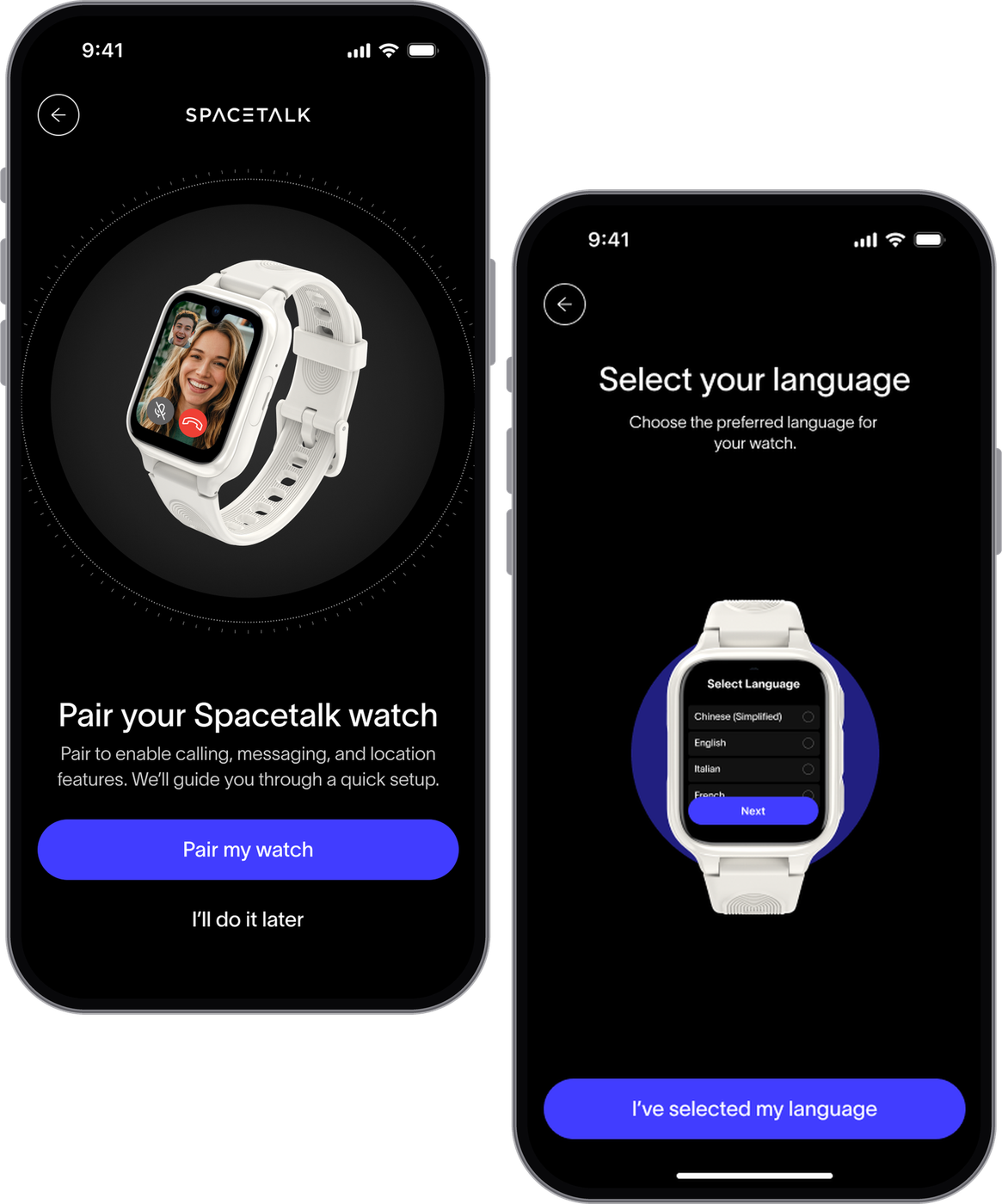
Ruby gets her first watch. Lucy has just paid and wants it working tonight.
Research showed frustration is cumulative: no single broken step, just small doubts stacking up. We made pairing and SIM activation one guided, kid-first flow, judged by one success statement: "Pairing that just works, the first time, and every time."
1h+ → 5 min to pair · −90% pairing support contacts · −80% SIM activation support contacts
Project 02 · Household growth
Tom just wants to know who is doing pick-up.
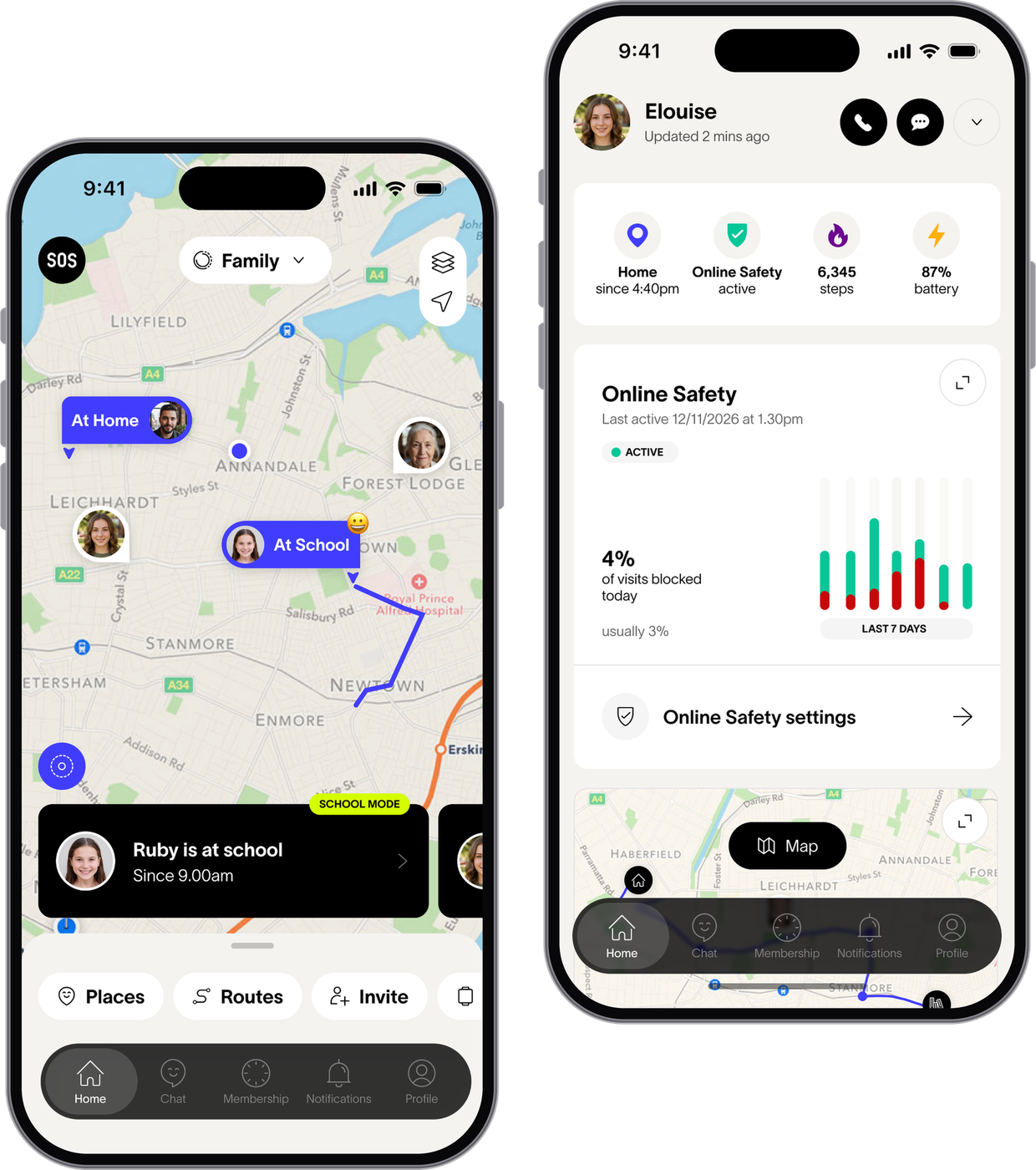
I changed the app from back-end jargon to terms that parents understand: your family and kids. A new home puts the family's needs at the core, with a dashboard per kid that adapts as they grow.
+42% family invites on onboarding · set-up completion above industry benchmark

Project 03 · Monetisation
Lucy has set up the whole family for free. Nobody has tried to sell her anything yet. That is the point.
With Commercial and Product we shaped a membership around family needs, with a free way in and value for everyone. Offers appear only after real family moments, never on a sales calendar.
Measured by tier conversion and products per household
Project 04 · Retention
Ruby wants an Apple Watch. Elouise gets her first phone.
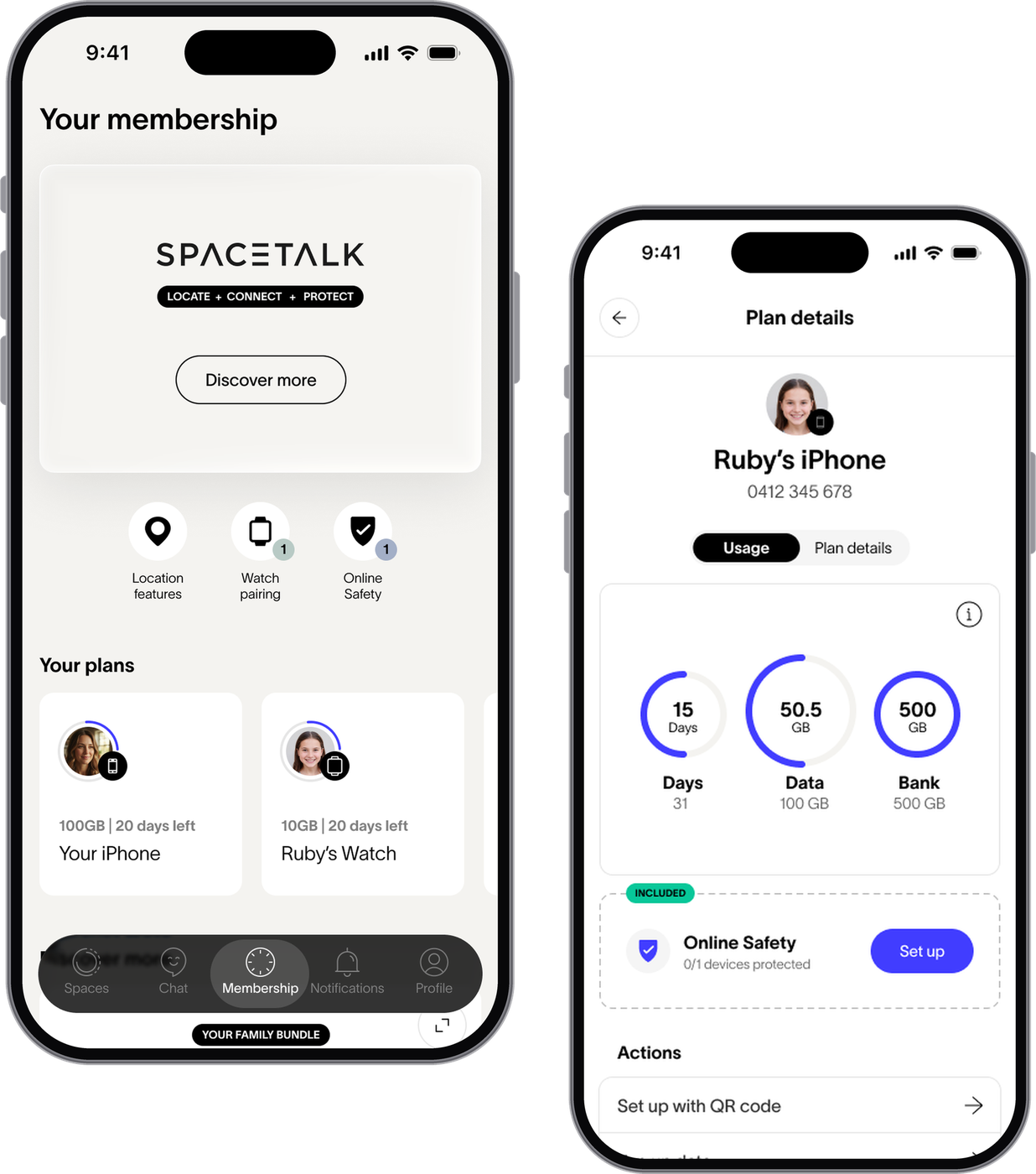
Watch apps on Apple and Samsung keep the kids who want the cool watch, with the riskiest concept tested through a low-cost ad experiment before building. Online Safety, Spacetalk's first software-only product, follows them to their first phone: "safety built on conversation, not surveillance."
First release in 5 weeks · beta with real families before launch

Project 05 · Partnerships
Elouise is ready for her first phone. Lucy wants a plan that already knows her family.
Under the safety promise, Spacetalk is a family telco: one parent runs every line from one app, and the move from watch to phone is one simple flow.
Measured by lines per household
The next bet
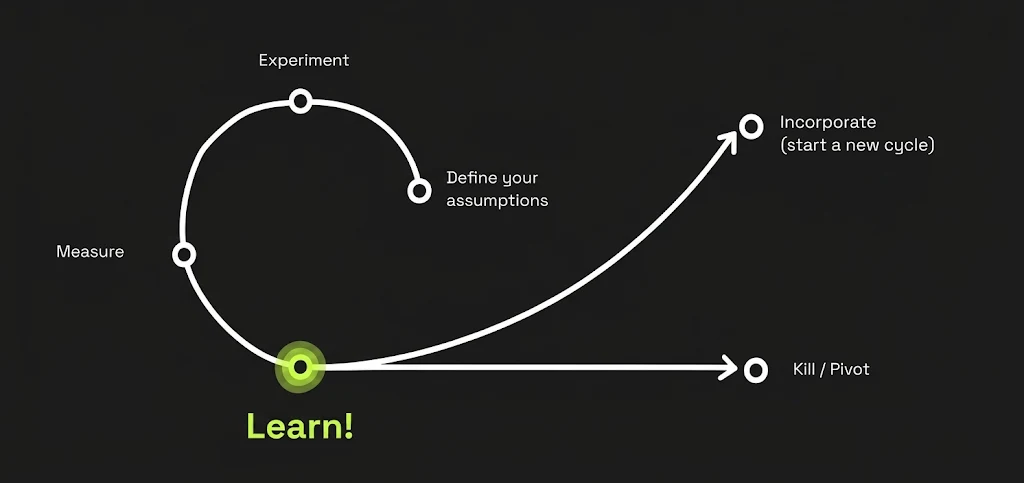
The most expensive way to be wrong is to build first.
Before committing to a costly build, we test our riskiest assumptions with real families, using the smallest experiment that can prove us wrong. Real behaviour, not opinions, decides what gets built. The design rule: never a false green.
How I lead
Gemini for market research, Heatseeker for real market validation, Claude Code for prototypes, AI-integrated Figma for motion, and synthetic user tests between monthly research rounds. Every mission gets a success statement the whole pod judges work by.
01
Which number is broken, what design can change, how we will know.
02
We never outsource empathy. We test AI-built prototypes, validating and discovering in the same session.
03
We start from the result and align early, so the whole pod commits to outcomes.
04
AI speeds us up, but every experience for parents and kids is a design decision.
AI widens what we explore. The final experience for the parents stays a human decision.